
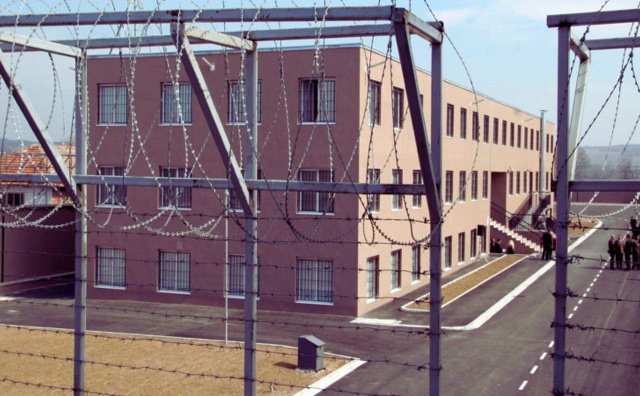
Simeonovgrad’s municipal leadership has formally pushed back against a national government plan to establish a closed-type refugee accommodation center in the southern Bulgarian town, setting the stage for a local political and civic confrontation.

The decision to construct the facility was approved last week during a session of the Council of Ministers, according to reporting by BGNES from Haskovo.
Under the government’s resolution, the State Agency for Refugees will receive state-owned properties in two municipalities to develop facilities designed to house individuals seeking international protection.
The designated sites are located in Simeonovgrad and in Sredets, a town in Burgas District. Both are intended to host closed-type centers, a format that typically involves controlled entry and restricted movement.
Local officials in Simeonovgrad, however, say the decision was made without sufficient consultation with the community or municipal authorities. They argue that the project could place strain on the town’s limited infrastructure and public services.
In a statement released this week, the Simeonovgrad Municipality expressed “strong disagreement” with the proposal and signaled it would pursue all lawful measures to challenge the move.
Mayor Milena Rangelova is expected to present a detailed report during the upcoming Municipal Council meeting scheduled for February 27, 2026. The report will recommend adopting a formal declaration opposing the construction of the center.
According to the mayor’s office, the declaration will also call for the launch of a citizens’ petition aimed at demonstrating broad public resistance to the plan. Officials described the initiative as non-partisan and focused solely on protecting local interests.
“The goal is to safeguard the interests of our town together in a legal and peaceful manner,” the municipal administration said, urging residents to participate in the petition.
The proposed center’s “closed” designation has fueled particular concern among locals. Such facilities are often used for individuals whose legal status is still being processed and may involve security controls that residents fear could change the character of the small town.
Simeonovgrad, home to only a few thousand people, has limited healthcare, education, and transportation resources. Municipal representatives argue that absorbing a large number of asylum seekers could stretch those services beyond capacity.
Some residents have voiced worries about the potential economic burden, while others say the town was not chosen with adequate planning or dialogue. Community groups have begun organizing meetings to discuss possible responses.
At the same time, national authorities maintain that additional accommodation is necessary as Bulgaria continues to manage migration flows and fulfill its international obligations. The government has not yet indicated whether it will reconsider the locations.
Analysts note that tensions between local administrations and central authorities are not uncommon when it comes to migration policy. Similar disputes have emerged in other parts of the country where communities fear sudden demographic and logistical changes.
Still, Simeonovgrad’s leaders insist their stance is not rooted in politics but in practicality. They say their priority is ensuring public safety and maintaining quality of life for residents.
The upcoming council session is expected to draw significant public attention, with citizens, activists and local stakeholders likely to attend. The petition drive could become a key test of how strongly the community feels about the proposal.
For now, the municipality’s message remains clear: while national policy may dictate refugee accommodation needs, local voices must also be heard before major decisions reshape small towns like Simeonovgrad.