
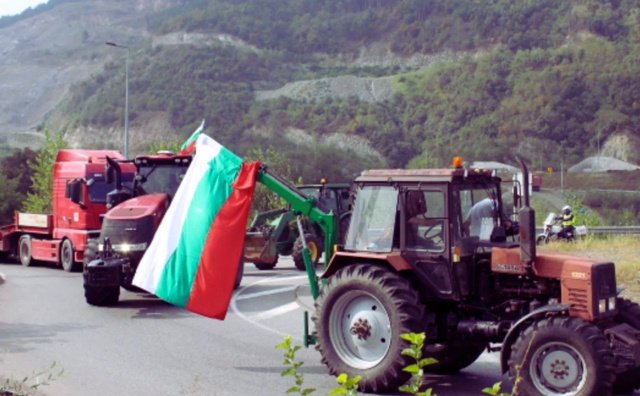
Bulgarian grain producers are sounding the alarm over a wave of sunflower imports from Argentina, warning that the sudden influx could destabilize local markets and raise serious food safety concerns.

According to reports by Nova TV, six shipments totaling about 200,000 tons of sunflower are currently en route to Bulgaria. One vessel has already docked, with the remainder expected within days.
Farmers say the speed and volume of the arrivals have caught the sector off guard. The deliveries represent a significant share of the country’s annual output and could flood the market in less than two weeks.
Iliya Prodanov, chairman of the National Association of Grain Growers, described the imported sunflower as “questionable” in quality. He also criticized the pricing structure, calling it opaque and difficult for local producers to compete with.
“South American production standards are very different from ours,” Prodanov said. “Over 90 to 95 percent of plant protection products banned in the European Union are still allowed there.”
His remarks reflect growing anxiety among growers who fear that cheaper imports may not meet strict EU regulations on pesticides and contaminants. Many worry that consumers could ultimately bear the risks if oversight is insufficient.
Prodanov also questioned whether the Bulgarian Food Safety Agency has the resources to carry out thorough inspections of such large volumes in a short timeframe. He called for comprehensive testing for residual pesticides, heavy metals, and genetically modified organisms.
Genetically modified crops are widely cultivated in South America but face tight restrictions within the European Union. Farmers argue that this regulatory gap creates unfair competition for domestic producers adhering to stricter standards.
The economic impact is already being felt. Over the past ten days, sunflower prices in both Bulgaria and neighboring Romania have fallen by roughly 10 percent, according to industry data.
For many farmers, those declines come at a fragile time. Storage facilities across Bulgaria currently hold around 600,000 tons of locally grown sunflower awaiting sale. The sudden arrival of cheaper imports is putting immediate pressure on those stocks.
Prodanov noted that the Argentine shipments amount to roughly one-sixth to one-seventh of Bulgaria’s annual production. Concentrating that quantity into just 15 days, he said, creates a “market shock” that local producers cannot easily absorb.
Smaller farms may be hit hardest. With higher input costs and tighter margins, many depend on predictable seasonal pricing to remain viable. A rapid drop in market value could force some to sell at a loss.
Beyond economics, the dispute has taken on a political dimension. The growers’ association has criticized the government for failing to consult the agricultural sector about its position on the Mercosur trade agreement.
The proposed pact between the European Union and South American nations could further reduce tariffs and expand agricultural imports. Farmers fear that without safeguards, more products like sunflower could enter the market at lower costs.
“The sector and society were not informed,” Prodanov said. “The official figures used to form the state position do not reflect the reality of such imports.”
Producers are now urging authorities to introduce protective measures, including stricter border controls and possible safeguard clauses to prevent sudden surges. Some are calling for temporary limits until proper inspection systems are strengthened.
Government officials have yet to announce any immediate restrictions, but discussions are ongoing. The Food Safety Agency has said it will conduct checks on all incoming shipments to ensure compliance with EU standards.
For farmers watching prices slide, those assurances offer limited comfort. With harvests stored and contracts pending, many say the next few weeks could determine the viability of the season.
As ships continue to arrive, Bulgaria’s sunflower sector finds itself balancing trade openness with domestic protection, a dilemma increasingly common across European agriculture. The outcome may shape not only this year’s prices but also the country’s long-term food security and competitiveness.