
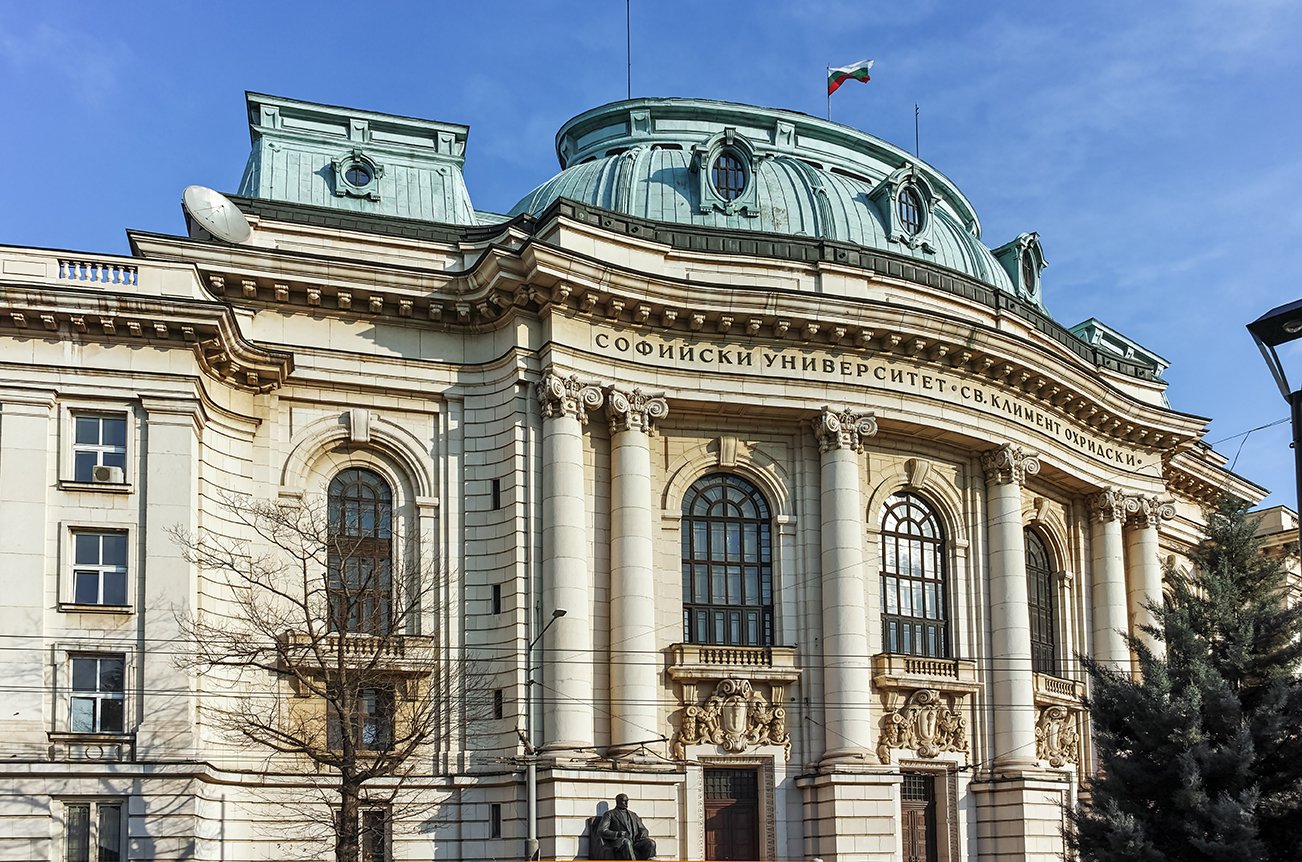
BULGARIA, PLOVDIV REGION – Proposed government changes aim to raise university tuition and application fees across disciplines, sparking debate among students and academic institutions
The government of Bulgaria has proposed a sweeping revision of university tuition and application fees, set to take effect from the 2026/2027 academic year, according to a draft decision currently open for public consultation.

The plan outlines a general increase in costs across most higher education programs, reflecting what officials describe as necessary adjustments to maintain quality and financial sustainability in the academic sector.
Under the proposal, the average annual tuition fee is expected to rise to approximately 545 euros, while application fees would increase modestly to around 40 euros. Doctoral programs at state universities are set to experience a more significant rise, with tuition projected to reach 1,130 euros annually and application fees increasing to roughly 130 euros.
Authorities argue that the changes are in line with inflation trends and rising operational costs within universities. However, the proposal has already triggered discussions among students, educators, and policy analysts about accessibility and affordability.
In the city of Plovdiv, several major universities are expected to implement adjustments to their pricing structures. At Plovdiv University Paisii Hilendarski, most programs will see only minimal increases.
For instance, pedagogical programs at the university are projected to rise marginally from 357.90 euros to 358 euros per year, effectively a negligible adjustment attributed to rounding. Similarly, law programs would increase slightly from 613.55 euros to approximately 614 euros annually.
Despite these modest changes, the broader picture reveals a mixed approach, with some programs experiencing reductions. Economics-related disciplines, including economics, finance, and marketing, are expected to see slight decreases, falling from 268.43 euros to 268 euros per year.
However, not all institutions will follow this trend. At the University of Food Technology, tuition fees for economics and tourism programs are projected to rise significantly, from 352.80 euros to 400 euros annually. This represents an increase of nearly 15 percent, marking one of the more notable hikes in the proposal.
Technical education is also expected to become more expensive. Engineering disciplines, including electrical engineering and food technology, offered at technical universities, would see tuition rise from 511.30 euros to around 550 euros per year under state-funded arrangements.
Experts suggest that these increases may reflect growing demand for technical skills and the higher costs associated with maintaining laboratories, equipment, and specialized teaching staff.
Medical education in Plovdiv is also set to become slightly more expensive. At Medical University of Plovdiv, tuition for programs such as medicine, pharmacy, and dentistry would increase from 613.56 euros to approximately 620 euros annually.
Although the increase appears modest, medical students often face additional costs related to materials, clinical training, and extended study durations, making even small adjustments significant over time.
The Agricultural University Plovdiv is also included in the proposed changes. Key programs such as plant breeding, plant protection, and animal husbandry are expected to rise from 388.58 euros to around 400 euros per year.
These programs play a critical role in supporting Bulgaria’s agricultural sector, and officials say the adjustments aim to ensure continued investment in research and practical training.
One of the most substantial increases is expected at the Academy of Music Dance and Fine Arts Prof Asen Diamandiev. Tuition for the “Music and Dance Art” program is set to rise from 715.81 euros to 780 euros annually.
Even more striking is the proposed increase for the “Pedagogy of Education” program at the same institution, which would jump from 613.55 euros to 850 euros per year. This nearly 38 percent rise represents the sharpest increase among the programs outlined in the draft.
Students and faculty members have expressed concern over such steep hikes, particularly in creative fields where career prospects can be less financially stable compared to technical or medical professions.
Government representatives maintain that the proposed changes are part of a broader effort to modernize the higher education system. They argue that increased funding is essential to improve infrastructure, attract qualified academic staff, and enhance Bulgaria’s competitiveness in the European education landscape.
However, critics warn that rising costs could deter prospective students, particularly those from lower-income backgrounds. Bulgaria has traditionally maintained relatively affordable tuition fees compared to other European Union countries, a factor that has contributed to higher enrollment rates.
Student organizations are expected to play a key role during the public consultation phase, voicing concerns and proposing alternatives. Some have already called for expanded scholarship programs and financial aid to offset the impact of higher fees.
Education analysts note that while the proposed increases are not uniform, they reflect a broader trend across Europe, where universities are seeking additional revenue streams amid budget constraints and rising operational expenses.
The consultation process will allow stakeholders to submit feedback before the proposal is finalized. Changes may still be introduced based on public input, though the overall direction of increased fees is unlikely to be reversed entirely.
For now, students planning to enroll in Bulgarian universities in the coming years are advised to closely monitor developments and prepare for potential financial adjustments.
As the debate continues, the proposed reforms highlight the ongoing challenge of balancing quality education with affordability—a concern shared by higher education systems worldwide.
This article was created using automation technology and was thoroughly edited and fact-checked by one of our editorial staff members