
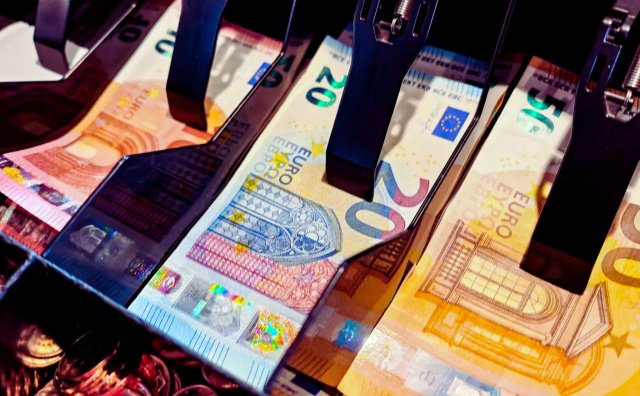
The initial days of Bulgaria’s long-anticipated euro adoption have unfolded without significant difficulties, according to representatives of the retail sector and economic analysts. Early indicators suggest that the transition is proceeding in an orderly manner, easing public concerns about potential disruptions.
Speaking on Bulgarian National Television (BNT), Nikolay Valkanov, Executive Director of the Association for Modern Trade, said the first phase of the currency changeover has been calm. He added that activity is expected to intensify as the week progresses and more consumers begin adjusting to euro-denominated prices.

Retailers, Valkanov explained, have largely completed their technical preparations in advance. Dual pricing systems, staff training, and updated payment infrastructure have helped prevent confusion at checkout counters during the opening days of the transition.
While the start has been smooth, Valkanov advised citizens to be patient when managing their remaining balances in the former national currency, the leva. He noted that clearing outstanding cash holdings and account balances could take between two and three weeks.
To make the process easier, he recommended that consumers rely primarily on card and electronic payments during the adjustment period. According to him, digital transactions reduce delays, minimize rounding concerns, and help both shoppers and retailers adapt more quickly to the new system.
Banks and financial institutions have also played a role in ensuring stability. Extended working hours, clear guidance on conversions, and temporary support measures have contributed to preventing bottlenecks in currency exchanges.
Addressing fears of sudden price hikes, Valkanov pointed to recent inflation trends that suggest such concerns may be overstated. He stressed that the bulk of sharp price increases in Bulgaria occurred in 2023, during a period of global economic turbulence and high energy costs.
By contrast, 2025 has shown a clear stabilization in inflation, particularly in the food sector, which is often the most sensitive for households. “We have moved past the period of high inflation,” Valkanov said, adding that future price changes are expected to remain within relatively narrow limits.
Economists note that Bulgaria’s euro adoption comes at a time of improved fiscal discipline and closer alignment with eurozone standards. These factors are seen as key buffers against speculative price behavior during the currency switch.
Consumer protection authorities have increased monitoring of prices to prevent unjustified markups. Retail chains and smaller shops alike are required to display prices transparently, allowing customers to compare costs easily before and after the transition.
Valkanov also sought to reassure citizens worried about broader economic consequences. He dismissed fears of dramatic declines in purchasing power or sudden income losses, emphasizing that early evidence does not support such scenarios.
“There is no reason for alarm,” he said. “It appears there is no cataclysm – prices have not doubled, and incomes have not fallen.” His remarks echoed similar statements from government officials and central bank representatives.
Public sentiment, while cautious, appears more measured than in past currency transitions in other countries. Many Bulgarians have expressed relief that the initial phase has been free of chaos, even as they continue to adapt to euro pricing.
Analysts believe that the coming weeks will be crucial in shaping public perception. As consumers grow accustomed to the new currency and businesses settle into routine operations, confidence is expected to rise further.
For Bulgaria, the euro adoption represents not only a monetary shift but also a symbolic step deeper into European integration. If the current stability holds, officials hope the transition will be remembered as a smooth and largely uneventful milestone.