
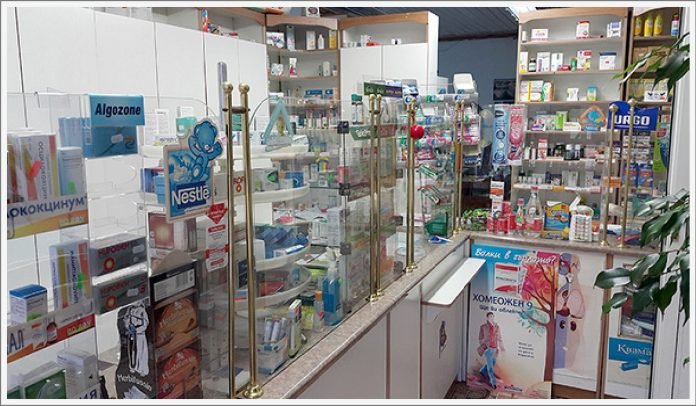
Bulgaria’s family pharmacies have issued an urgent warning that patients may soon be left without essential medicines due to delayed state payments and unresolved budgetary decisions.
The alert comes as the National Health Insurance Fund (NHIF) prepares to adopt the state budget on second reading while deciding whether to release reserve funds.
According to the Initiative Committee of Master Pharmacists (ICMF), the state has been significantly delaying reimbursements owed to pharmacies for already dispensed medicines.
Without these funds, pharmacy owners say they cannot purchase new stock from distributors, leaving the supply chain strained and uncertain. It remains unclear whether the NHIF will allocate money from its reserve to guarantee medicine access through the end of the year.
Pharmacists warn that without immediate financial assurance, shortages could worsen, affecting thousands of patients nationwide. Another long-standing issue resurfaced with the new budget: the minimal added value allowed for pharmacy activities.
For years, pharmacists have argued that the current markup system is unsustainable, especially for expensive therapies. Under current regulations, pharmacies dispensing medicines costing between 30 and 50,000 BGN receive a fixed markup of just 30 BGN.
“What business operates with such parameters?” pharmacists ask, noting that access to medicines is increasingly jeopardized as operating conditions deteriorate. They question why the role of family pharmacies—often the only point of care in smaller towns—has been overlooked for years.
“It is absurd for a pharmacy, which is both a commercial company and a health facility, to dispense medicines worth thousands and receive a markup of only 30 leva,” said Adelina Lyubenova, chairwoman of the Initiative Committee.
She added that the NHIF budget fails to provide interest compensation for late payments, despite pharmacies carrying the financial burden.
If these conditions remain unchanged, many family pharmacies may refuse to sign the new NHIF contract, further limiting patient access. This risk is especially acute in small or rural areas served by only one or two pharmacies.
Despite the difficult environment, family pharmacies continue to operate without joining the expanding wave of public protests. However, they warn that without a guarantee of timely reimbursement, the supply chain will be blocked.
Pharmacies must pay distributors for previously delivered medicines before ordering new ones—an impossible task without state payments. The crisis is compounded by persistent medication shortages.
Nearly 300 medicines have remained in limited supply for years, leaving hundreds of patients without adequate treatment. According to the ICMF, “there is no awareness and no legal action to stop the leakage of medicines imported for Bulgarian patients.”
Patients’ groups are also sounding the alarm. “When people cannot get their medicines, they start looking for them in other countries. This is unacceptable,” said Ivan Dimitrov from the Patients Forum. The Initiative Committee insists that pharmacy owners be included in NHIF negotiations for the new framework contract.
They argue that the agreement should remove administrative burdens, encourage pharmacies to maintain full medicine stocks, and protect private businesses from disproportionate financial risk.
They also call for an end to excessively high fines, which can reach 8,000 BGN. “We want the new contract to focus on the patient and protect the family business,” Lyubenova emphasized.
Family pharmacies are demanding timely payment for dispensed medicines, reserve funds to guarantee end-of-year access, stability in supply chains, reduced administrative burdens, and fairer sanctions. “Pharmacies are the last door to people’s health. If it closes, no one will open it,” the Initiative Committee warns.