
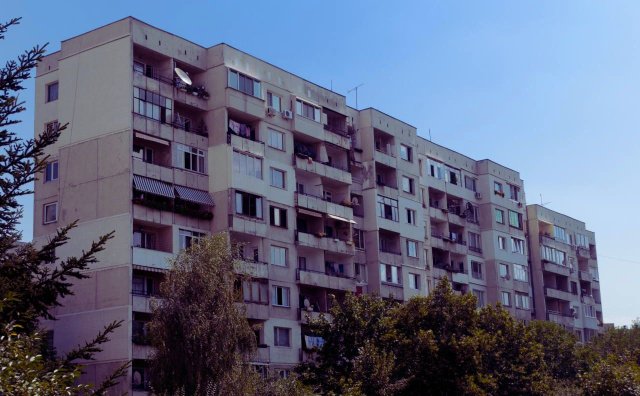
Homeownership remains a key aspiration across Europe, with 69% of citizens owning at least one property. Recent data from Re/Max highlights the growing trend of second home ownership, with Bulgaria leading the continent.
Almost half of Bulgarian homeowners (46%) own a second property, nearly double the European average of 25%. Overall, 80% of Bulgarians possess at least one home, compared to the European average of 63%, signaling strong residential satisfaction.

Satisfaction with living conditions is similarly high, with 82% of Bulgarians expressing contentment with their housing situation, surpassing the European figure of 76%. Greece and Croatia follow Bulgaria, with 39% and 37% of homeowners owning second properties, respectively.
At the other end, the Netherlands reports the lowest share, with only 8% of homeowners holding a second property. Despite this, 57% of Dutch respondents consider housing relatively affordable, illustrating differing motivations for second home acquisition across Europe.
The appeal of second homes often stems from lifestyle and leisure rather than financial gain. Nearly 44% of second homeowners use the property as a holiday retreat, while 23% plan to relocate there upon retirement.
Others rent out properties long-term (16%) or via short-term platforms like Airbnb (16%). A smaller portion uses second homes for investment (14%) or dual-city living (10%).
Most second homes (39%) remain within the owner’s main country of residence. However, individuals from colder climates, such as Ireland, are more likely to invest abroad, with only 25% of their second homes located domestically. Among homeowners without a second property, 13% anticipate acquiring one in the future.
The COVID-19 pandemic and the rise of remote work have accelerated interest in second homes. Europeans increasingly embrace flexible living arrangements, splitting time between urban and rural settings. This trend, traditionally strong in Mediterranean countries, has expanded as affluent investors drive demand.
However, rising second home ownership has impacted local housing markets. In popular areas, it contributes to increasing property prices, ghost towns, and overtourism. Higher-income owners can push costs beyond locals’ reach, while short-term rentals strain long-term housing availability.
Cities such as Barcelona have responded by restricting or banning short-term holiday rentals, with existing licenses suspended until 2028.
France has implemented regional measures limiting second homes to curb rental platform expansion and support first-time buyers. These policies illustrate European governments’ challenge in balancing property ownership with housing affordability.
As second home ownership grows, it represents both a lifestyle and financial investment, reflecting evolving European living patterns and the continuing influence of remote work and tourism trends.
This article was created using automation technology and was thoroughly edited and fact-checked by one of our editorial staff members