
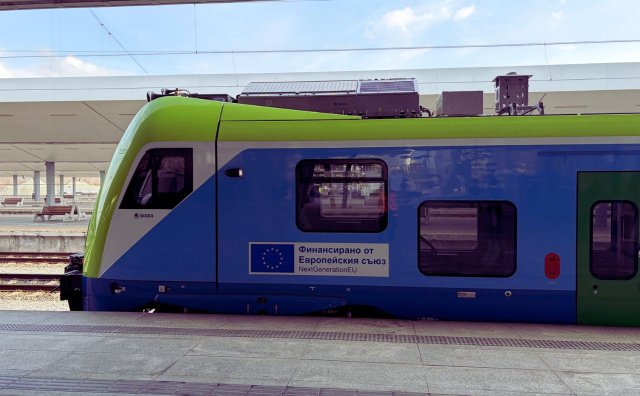
Bulgaria, Sofia: Newly introduced Škoda electric train signals major railway modernization effort, enhancing suburban connectivity, passenger comfort, and sustainable transport infrastructure nationwide
Bulgaria has officially launched a new chapter in its railway modernization efforts with the presentation of the first newly produced Škoda electric train at Sofia Central Railway Station.

The unveiling marks the beginning of a major investment program aimed at transforming the country’s rail transport system into a faster, more efficient, and passenger-friendly network.
The train, delivered earlier this month, is expected to begin carrying passengers in April following a series of certification procedures and operational tests.
Officials say the introduction of this new rolling stock is not only symbolic but also a practical step toward addressing long-standing challenges in Bulgaria’s railway infrastructure.
The project is part of a broader procurement plan involving 25 modern electric multiple-unit trains manufactured by Škoda Transportation. With a total value exceeding €320 million, the initiative represents one of the most significant investments in Bulgaria’s rail sector in recent decades.
Funding for the program is largely secured through European mechanisms, with €261.4 million allocated from the National Recovery and Resilience Plan.
An additional €65.3 million comes from the Transport Connectivity program for the 2021–2027 period. These combined resources underline the European Union’s role in supporting infrastructure upgrades across member states.
Deliveries of the new trains are scheduled to continue on a monthly basis, with authorities aiming to have the full fleet operational by the end of the summer. This timeline is considered ambitious, but officials stress its importance in ensuring improved services during the peak travel season.
Each train is designed primarily for suburban and regional routes, reflecting the growing demand for reliable commuter transport. With 333 seats and a total capacity of approximately 600 passengers including standing space, the trains are expected to significantly increase capacity on busy lines.
The maximum operating speed of 160 kilometers per hour aligns with the current capabilities of Bulgaria’s railway infrastructure. While this may not represent a leap in speed, officials emphasize that improvements in reliability, comfort, and frequency are equally important in modernizing public transport.
Passengers can expect a markedly improved travel experience. The trains are equipped with air conditioning, onboard digital information systems, power sockets, and Wi-Fi connectivity. Additional features include video surveillance for enhanced safety, as well as designated areas for bicycles and strollers, catering to a broader range of passengers.
Caretaker Transport Minister Krasimir Ismailov attended the official presentation and highlighted the strategic importance of the project. He described it as a cornerstone of Bulgaria’s broader efforts to upgrade both railway and road infrastructure.
According to the minister, the contracts with manufacturers have been in place for several years, and the focus is now on accelerating deliveries and ensuring swift integration into the national rail network. He stressed that each train will undergo thorough testing before entering service to guarantee safety and performance standards.
The event also brought together representatives from the Czech Republic, including diplomatic officials and executives from the manufacturing company. They emphasized that the trains are based on a platform already widely used across Europe, ensuring reliability and compatibility with modern rail systems.
For the Czech side, the project represents not only a business achievement but also a symbol of strengthened cooperation between the two countries. Officials expressed confidence that the trains would deliver tangible benefits to Bulgarian passengers and contribute to long-term transport sustainability.
Experts view the introduction of the new fleet as a crucial step toward revitalizing Bulgaria’s rail sector, which has faced challenges related to aging infrastructure and outdated rolling stock. By investing in modern electric trains, the country aims to shift more passengers toward rail transport, reducing congestion and environmental impact.
Rail transport continues to play a vital role in regional connectivity, particularly in linking smaller towns with major urban centers. Improved suburban services are expected to support economic development by facilitating easier access to jobs, education, and essential services.
The modernization program also aligns with broader European goals of promoting sustainable mobility and reducing carbon emissions. Electric trains are seen as a cleaner alternative to road transport, contributing to environmental targets while offering a comfortable travel option.
While the introduction of the new trains is widely welcomed, analysts note that further investments in track infrastructure and signaling systems will be necessary to fully realize the benefits of modern rolling stock. Without these complementary upgrades, the full potential of the trains may not be achieved.
Nevertheless, the arrival of the first Škoda electric train represents a visible and tangible milestone. For passengers, it signals the beginning of a new era in rail travel—one defined by improved comfort, reliability, and accessibility.
As the remaining trains are delivered over the coming months, attention will turn to how effectively they are integrated into the network and how quickly passengers begin to experience the improvements promised by the modernization program.
For Bulgaria, the stakes are high. A successful rollout could restore confidence in rail transport and position it as a central pillar of the country’s mobility strategy for years to come.