
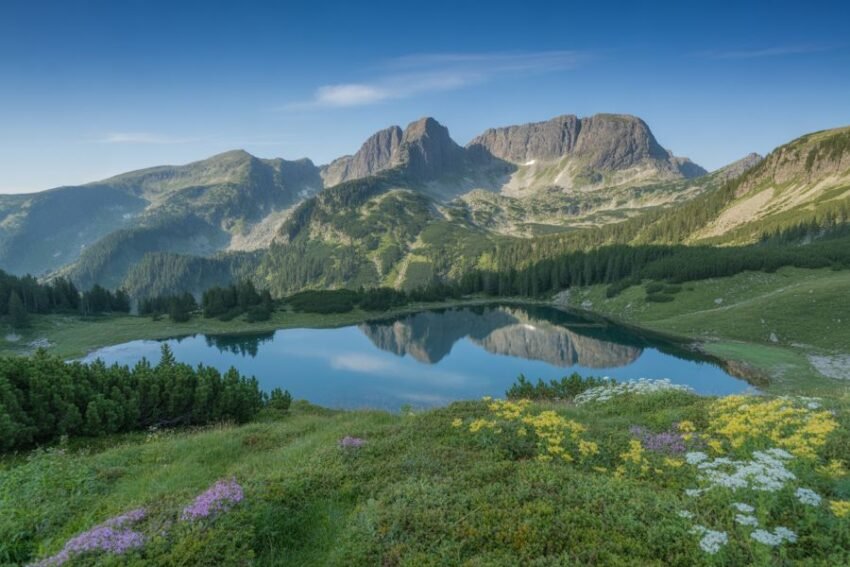
Vratsa, nestled in the picturesque northwestern region of Bulgaria, is proving that culture can be more than artistic expression — it can be a powerful economic engine. Known for its dramatic mountain landscapes and deep-rooted history, the city is now emerging as one of Bulgaria’s most promising cultural destinations.
In recent years, Vratsa has embraced culture as a strategic tool for tourism development. With a population of just over 66,000, the city is making an impressive impact on the national tourism map. Through its growing cultural calendar, Vratsa is attracting visitors from across Bulgaria and an increasing number of international travelers.

A Bold Cultural Turnaround
At the heart of Vratsa’s revival is a significant financial commitment. The municipality made waves this year by quadrupling its cultural budget — a move initially met with skepticism but now widely praised. According to Alexander Vladimirov, Deputy Mayor for Culture, the investment has already transformed the city’s cultural landscape.
From January to September 2025, Vratsa organized over 80 cultural events, an unprecedented figure for a city of its size. The program includes traditional celebrations, modern festivals, and international collaborations.
Tourists from Sofia, Plovdiv, Varna, and various European countries are increasingly traveling to Vratsa specifically for these events, rather than simply passing through. This shift is reshaping Vratsa’s reputation from an overlooked mountain town to a vibrant cultural hub.
The city’s improved media presence is another indicator of its rising profile. Vratsa is gaining national recognition for its cultural reforms and dynamic new image.
The Symphony Orchestra: Vratsa’s Cultural Pride
A shining symbol of Vratsa’s transformation is the Vratsa Symphony Orchestra, known as Simphonieta-Vratsa. Once struggling to survive, the orchestra has become one of Bulgaria’s finest musical institutions under the leadership of Maestro Christo Pavlov.
Municipal investment provided the orchestra with stable funding, rehearsal facilities, and space for music education. The result has been a flourishing classical music program that draws visitors, musicians, and students.
Deputy Mayor Vladimirov highlights the ensemble’s diversity as one of its strengths. Musicians from Bulgaria, Russia, Ukraine, the United States, and other countries perform together, demonstrating how the arts can encourage unity even in times of global tension.
The orchestra is now a cultural ambassador for Vratsa, bringing prestige to the city and reinforcing its commitment to supporting creativity and multicultural cooperation.
Embracing Global Culture While Preserving Tradition
Vratsa’s cultural revival extends beyond music. The city has embraced international diversity by hosting a series of National Days weekends, each celebrating the traditions, cuisine, and arts of a foreign country.
So far, Vratsa has welcomed Italian, Greek, and Spanish cultural weekends, with more nations expected to participate. Local businesses eagerly join in, adapting menus, decorations, and entertainment to match each theme.
Children’s performances, artisan markets, and concerts by visiting musicians create a festive atmosphere that draws crowds and energizes the city center. These events have quickly become visitor favorites and a hallmark of Vratsa’s evolving identity.
Yet, the municipality remains firmly committed to celebrating Bulgarian heritage. The National Folklore Festival Ledenika is one of the region’s flagship events. Held near the iconic Ledenika Cave, the festival includes folk concerts, craft displays, and a reenactment of a traditional Bulgarian wedding — officiated by the mayor wearing full traditional attire.
This blend of international exposure and national pride forms the foundation of Vratsa’s cultural strategy.
Nature and Heritage: Vratsa’s Tourism Backbone
While cultural events are boosting Vratsa’s visibility, the region’s natural and historical attractions continue to anchor its tourism appeal.
Key destinations include:
Ledenika Cave: A spectacular natural wonder noted for its stalactites, stalagmites, and cool subterranean halls.
Botev Peak: A challenging Balkan Mountain summit offering panoramic views for seasoned hikers.
Vratsa Historical Museum: Home to artifacts spanning ancient Thracian heritage, medieval history, and modern Bulgaria.
Backo Vrah Reserve: A pristine sanctuary ideal for wildlife lovers and nature photographers.
Vratsata Gorge: A dramatic limestone canyon attracting climbers, trekkers, and sightseers.
The combination of culture, history, and nature is enabling Vratsa to attract a wider range of tourists — from music lovers to explorers.
Looking Ahead: A City with Ambition
Vratsa’s municipality is determined to build on its momentum. Plans include expanding the calendar of cultural events, strengthening partnerships with foreign cultural institutes, and improving infrastructure near major tourist sites.
While maintaining cultural identity and protecting natural areas remains a balancing act, local leaders believe their strategy can support both growth and conservation. The city’s long-term objective is clear: to establish Vratsa as a leading cultural destination in Bulgaria.
With its renewed vibrancy, international connections, and dedication to heritage, Vratsa is demonstrating how a small city can reinvent itself through culture — and redefine its future.